


लिपिः Devanagari or Tamil script
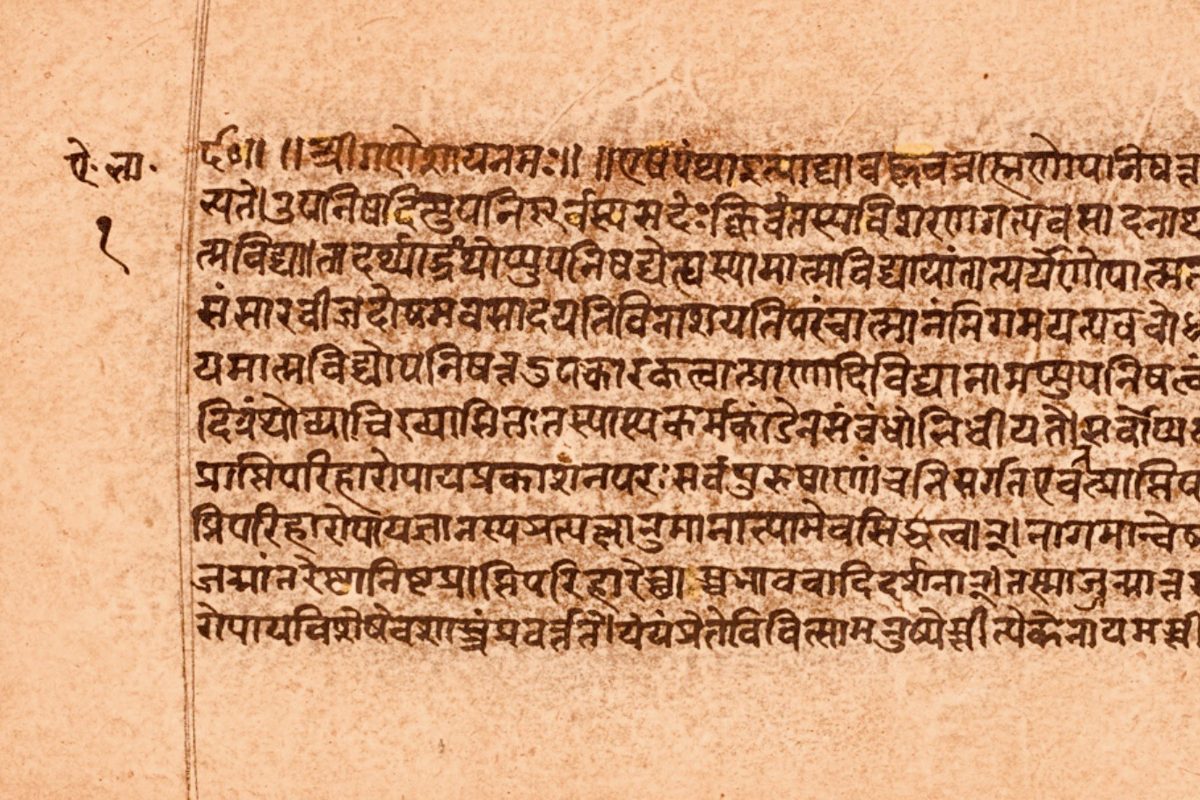
The Sanskrit in Devanagari, or in Tamil script with ² ³ ⁴ marking the consonants Tamil writes alike, the way Tamil books print Sanskrit.
श्रीमच्छङ्करभगवत्पूज्यपादविरचितानि प्रस्थानत्रयभाष्याणि
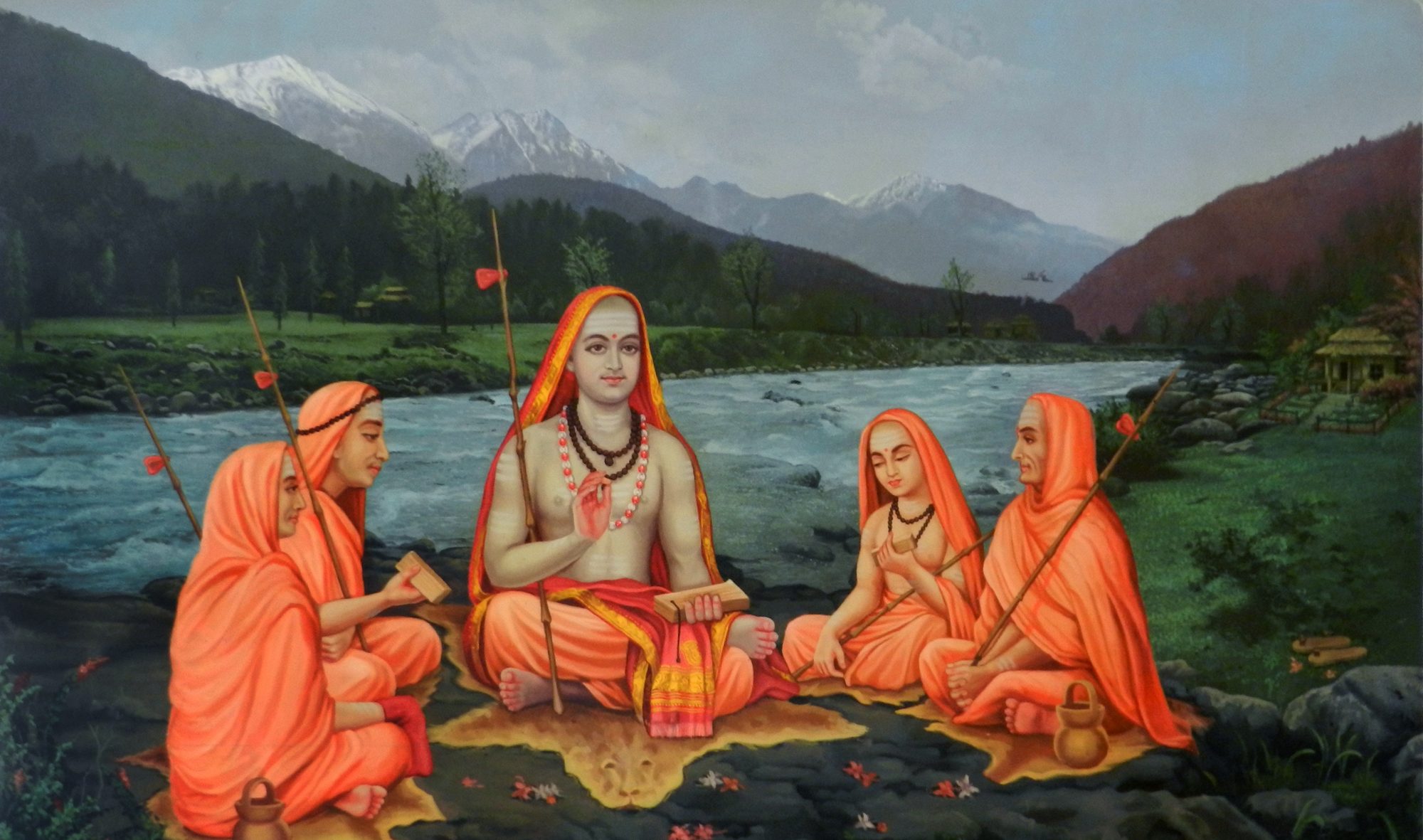

अनाघ्रातसुरभारतीगन्धा अपि भाष्यमिदमवबुध्यन्तामिति धिया
प्रान्तीयभाषास्वपि भाष्यस्यास्य अनुवादो विहितः । The Prasthānatraya, the principal Upaniṣads, the Bhagavad Gītā and the Brahmasūtras, is regarded as the foundation of Sanātana Dharma. Śrī Ādi Śaṅkarācārya wrote commentaries on all three, establishing the doctrine of Advaita, and they are among the earliest commentaries we have.
A deep knowledge of Sanskrit is needed to study them. Authoritative translations into the Bhāratīya languages, read beside the original, open that study to many more. All thirteen bhāṣyas are given here with a Tamil translation; the Īśāvāsya also has an English one. More languages can sit beside them as they are made.
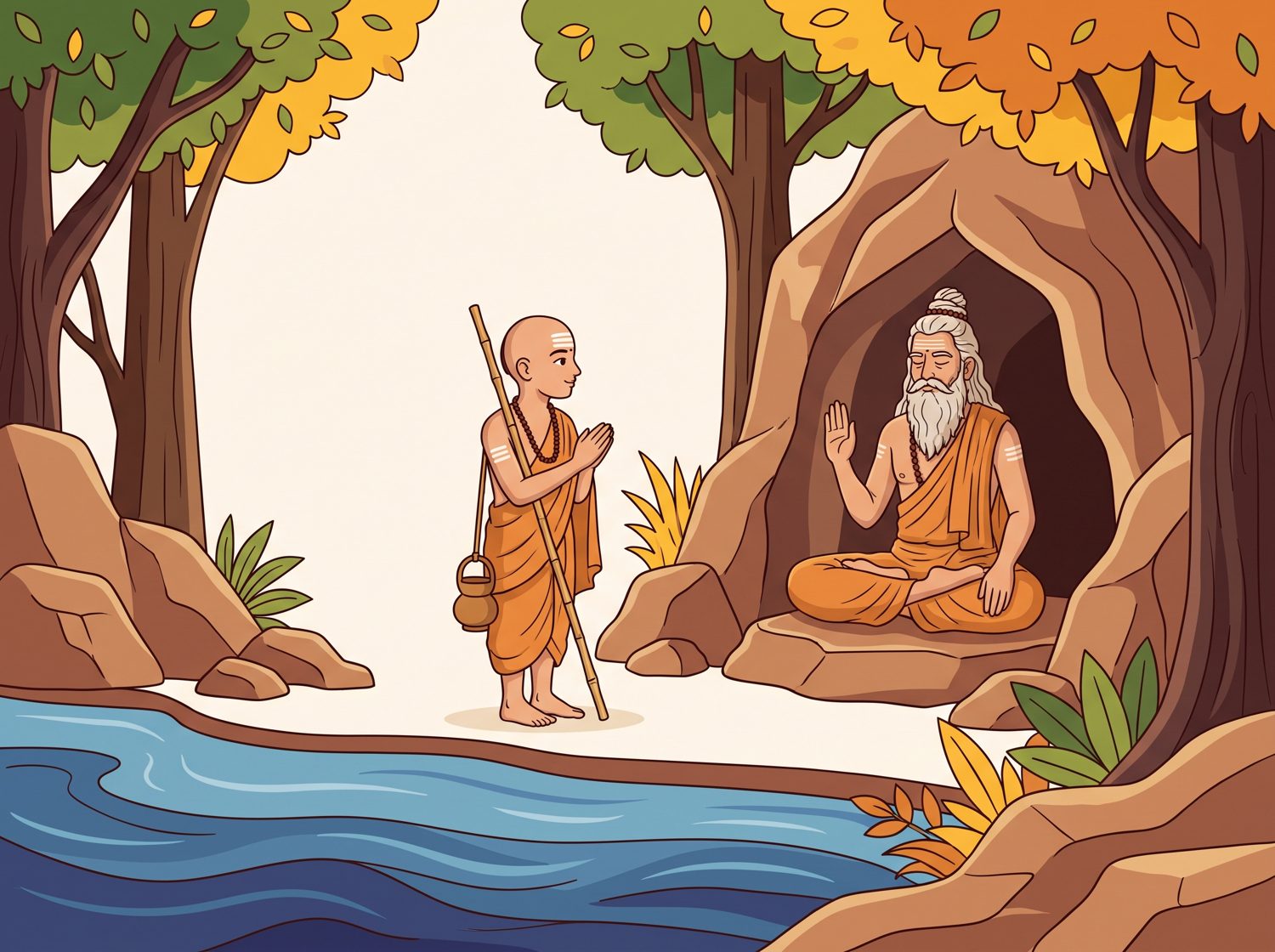
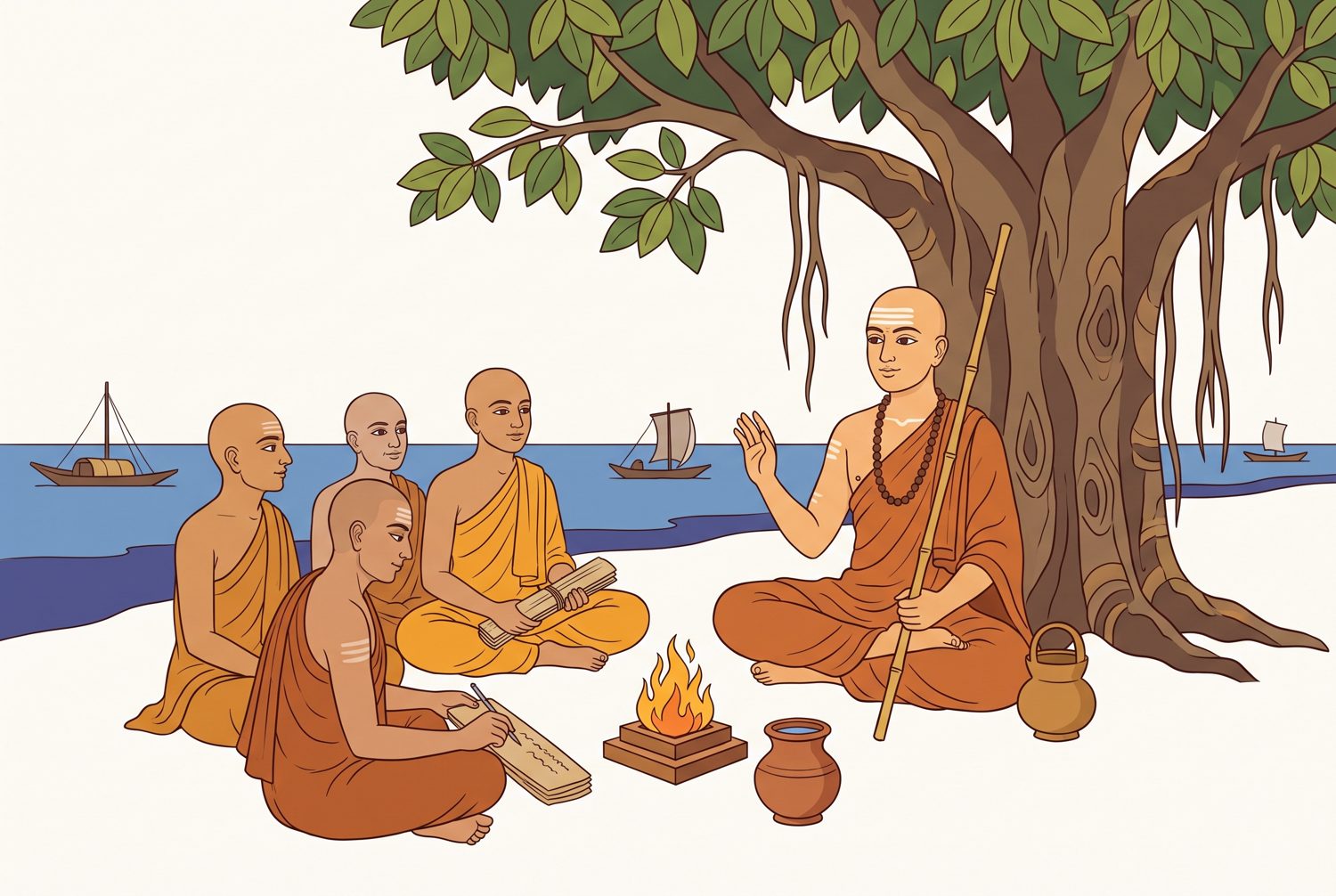
Śaṅkara’s bhāṣyas on the principal Upaniṣads, the śruti itself: from the Īśāvāsya’s eighteen mantras to the Chāndogya and the Bṛhadāraṇyaka.
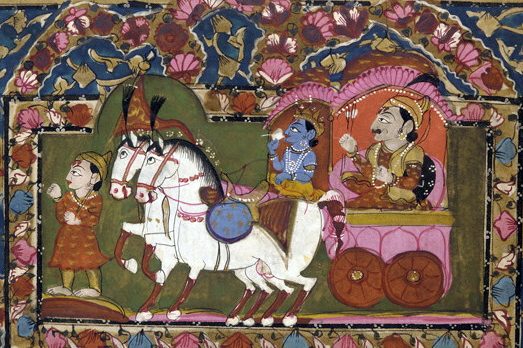
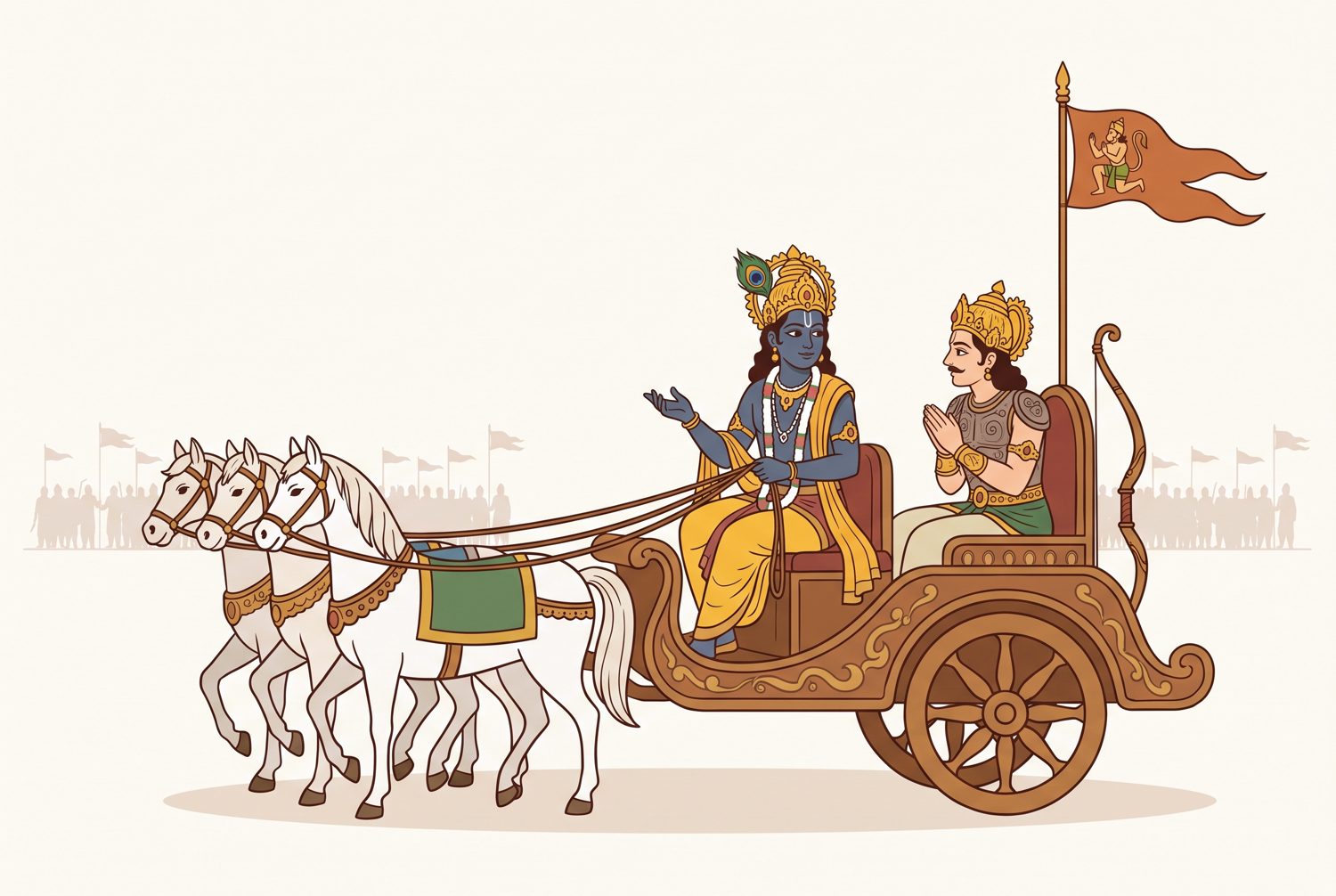
Kṛṣṇa’s teaching to Arjuna in seven hundred verses, with the bhāṣya that reads the whole Gītā as the path of knowledge.
Bādarāyaṇa’s sūtras, which gather the Upaniṣads into one argument, with the bhāṣya that answers every objection to it.
The Sanskrit in Devanagari, or in Tamil script with ² ³ ⁴ marking the consonants Tamil writes alike, the way Tamil books print Sanskrit.


Each passage of the bhāṣya beside its translation; choose a second one to compare, and the two line up with the Sanskrit.


When Śaṅkara quotes the śruti or smṛti, the quotation links to its place in the work it comes from.


Find a passage from a few words. Search on this site is coming; until then it opens the current site’s.